Digital humanities
Digital critical editions, corpus visualizations and tools for researchers, built on open standards such as MEI.
Free software since 1998
We are a free software development company. Since 1998 we have been building, adapting and teaching open source technologies, and today we bring that experience to digital humanities, music editing and artificial intelligence.
Digital critical editions, corpus visualizations and tools for researchers, built on open standards such as MEI.
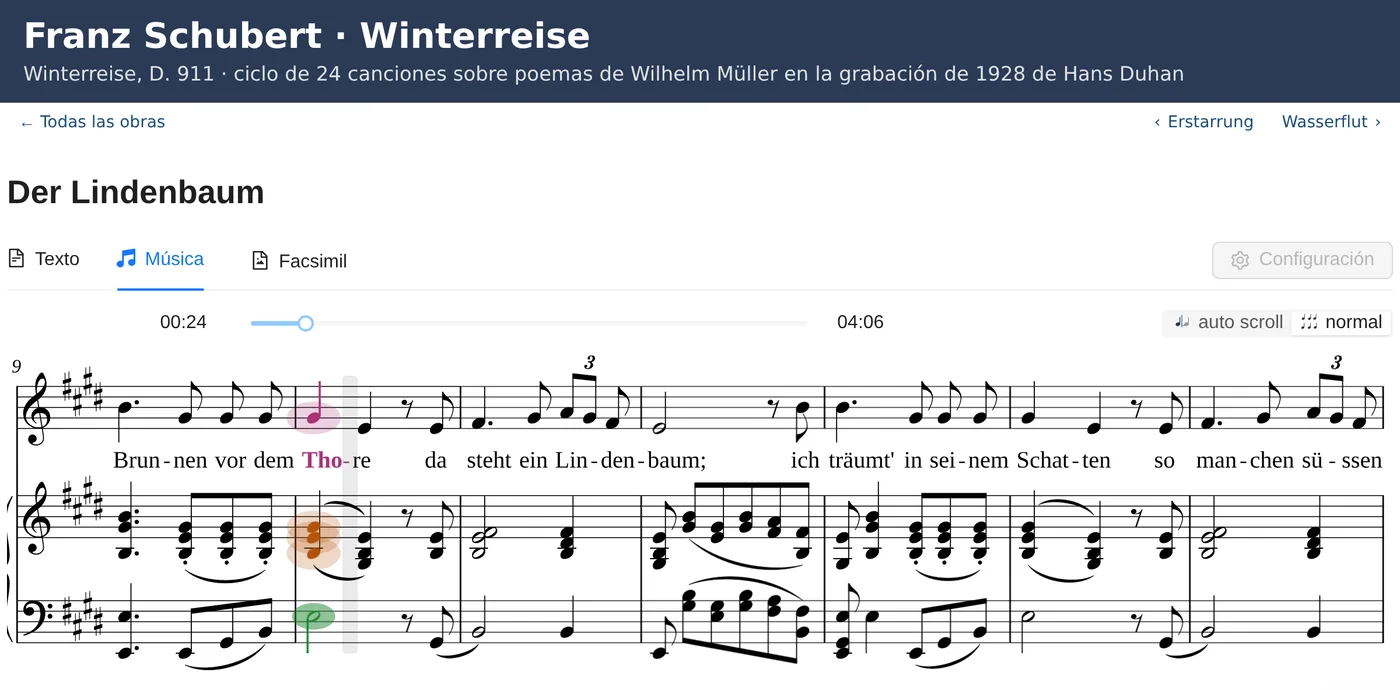
Interactive scores you can read, listen to and compare with the manuscript, and conference presentations with score and audio.
Language models brought into research work: searching and transcribing historical documents, or analysing MEI scores from verifiable facts.
Publishing and preserving collections in open formats: editions as static files that can be archived and never expire.
Software that everyone can use. We have worked on it since the 2000s, from GNOME to braille printing, and today we bring it to digital scores.
What we have done from the start: development on top of free software, help to adopt it, and custom courses.
ServicesYour scores, published as a music edition on the web.
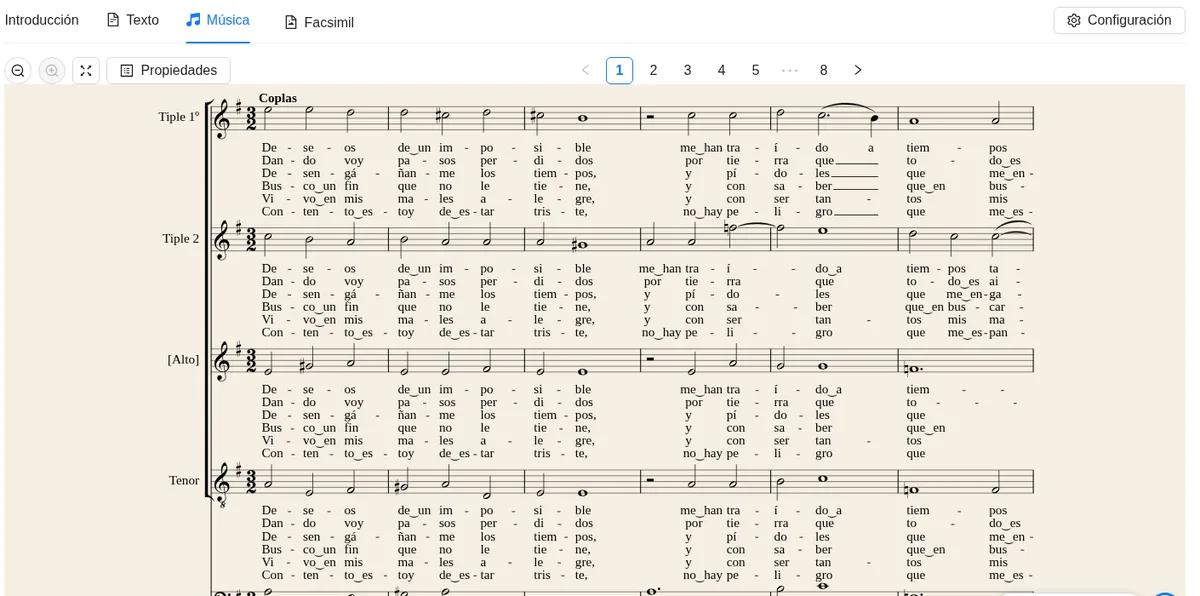
Upload your scores in MEI or MusicXML, add recordings, manuscripts and introductions, and publish the whole corpus as a web edition, ready to share.
An MEI score viewer for reading and listening to critical editions.
React component and embeddable page to read and listen to MEI scores, with critical apparatus, synchronized audio and linked facsimile.
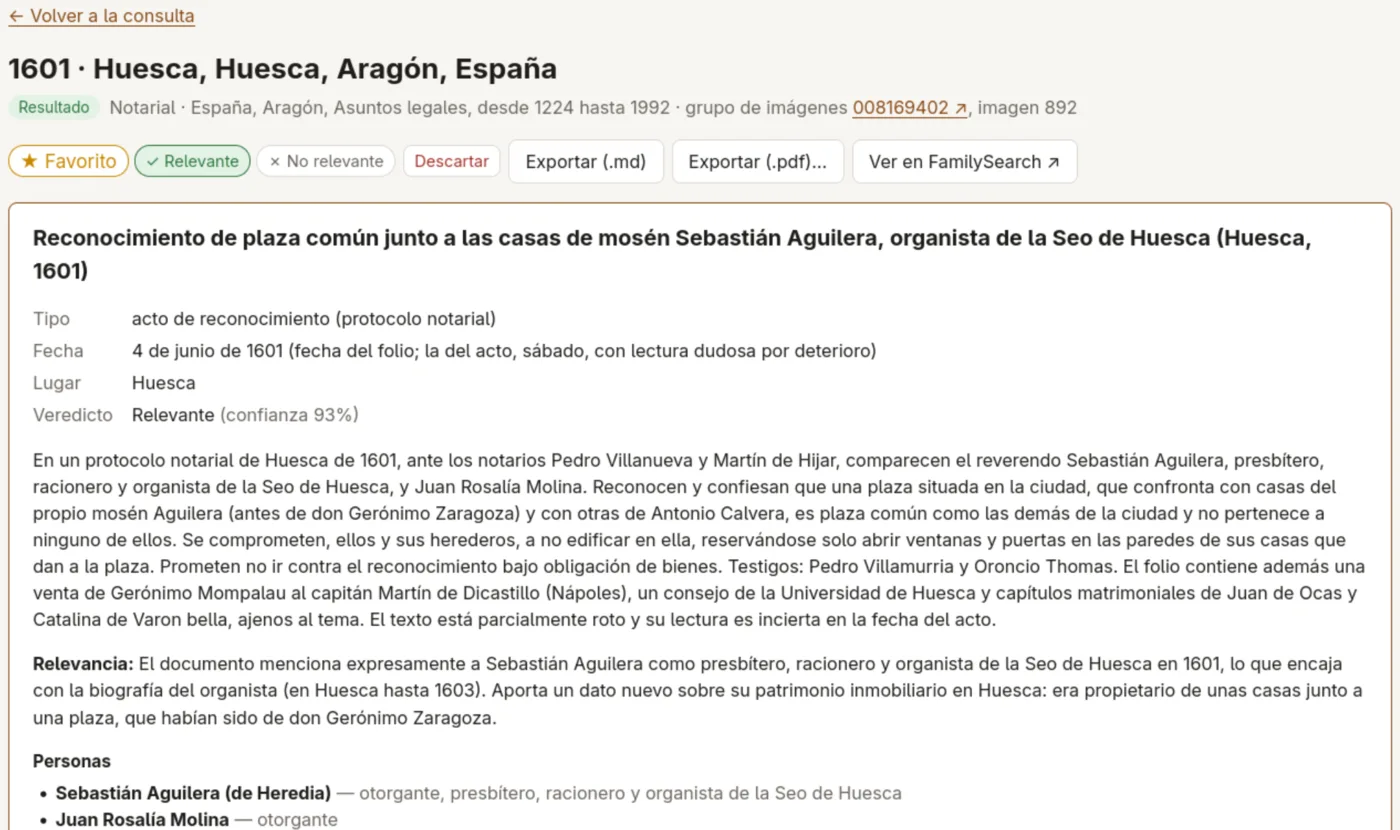
AI-assisted search for historical documents.
Searches the digitized collections of FamilySearch, filters out the noise, transcribes the pages with vision models and summarizes what it finds.
Digital scores that can also be explored with a screen reader.
We are working to make Verovio produce accessible scores, with ARIA information in the SVG it generates.
Learn moreWrite to us and let's talk.